Tile renovation in Richmond Hill: costs, materials and what to expect
Tile is one of the most popular upgrades we do in Richmond Hill, and it makes sense. A lot of the homes in Oak Ridges, Jefferson, Westbrook and Bayview Hill were built in the 1990s and early 2000s, and the original builder-grade tile is now showing its age: beige 12x12 floors, cracked grout lines, hollow-sounding tiles near the tub, and backsplashes that date the whole kitchen. Re-tiling is a fast way to make a room feel new, but it is also a job where the work you cannot see decides whether it lasts five years or thirty. This guide covers what we tell every Richmond Hill homeowner before they pick a single tile.
The most common tile projects in Richmond Hill homes
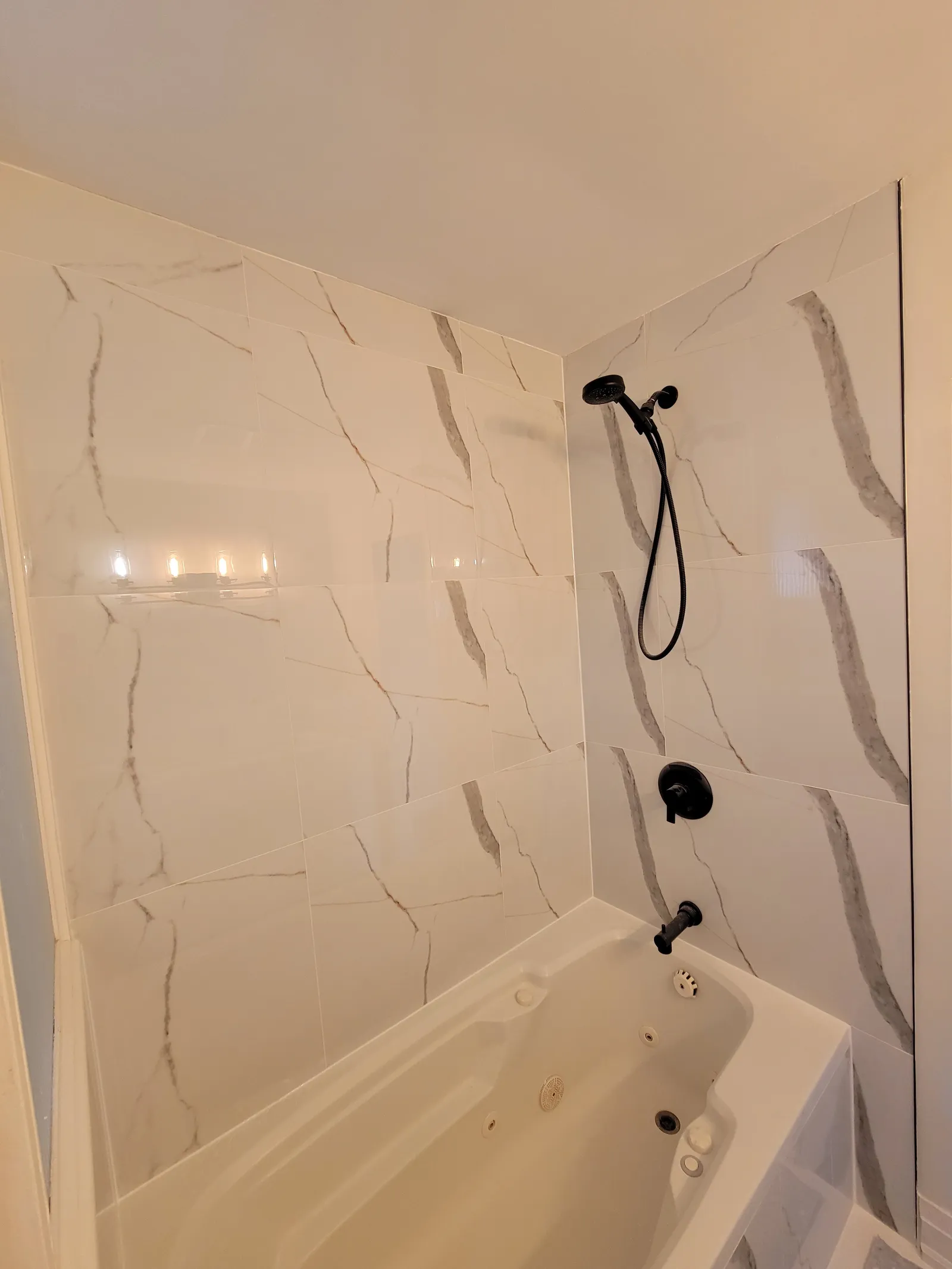
- Shower and tub surround re-tiles — replacing failing grout, cracked tile and the waterproofing behind it.
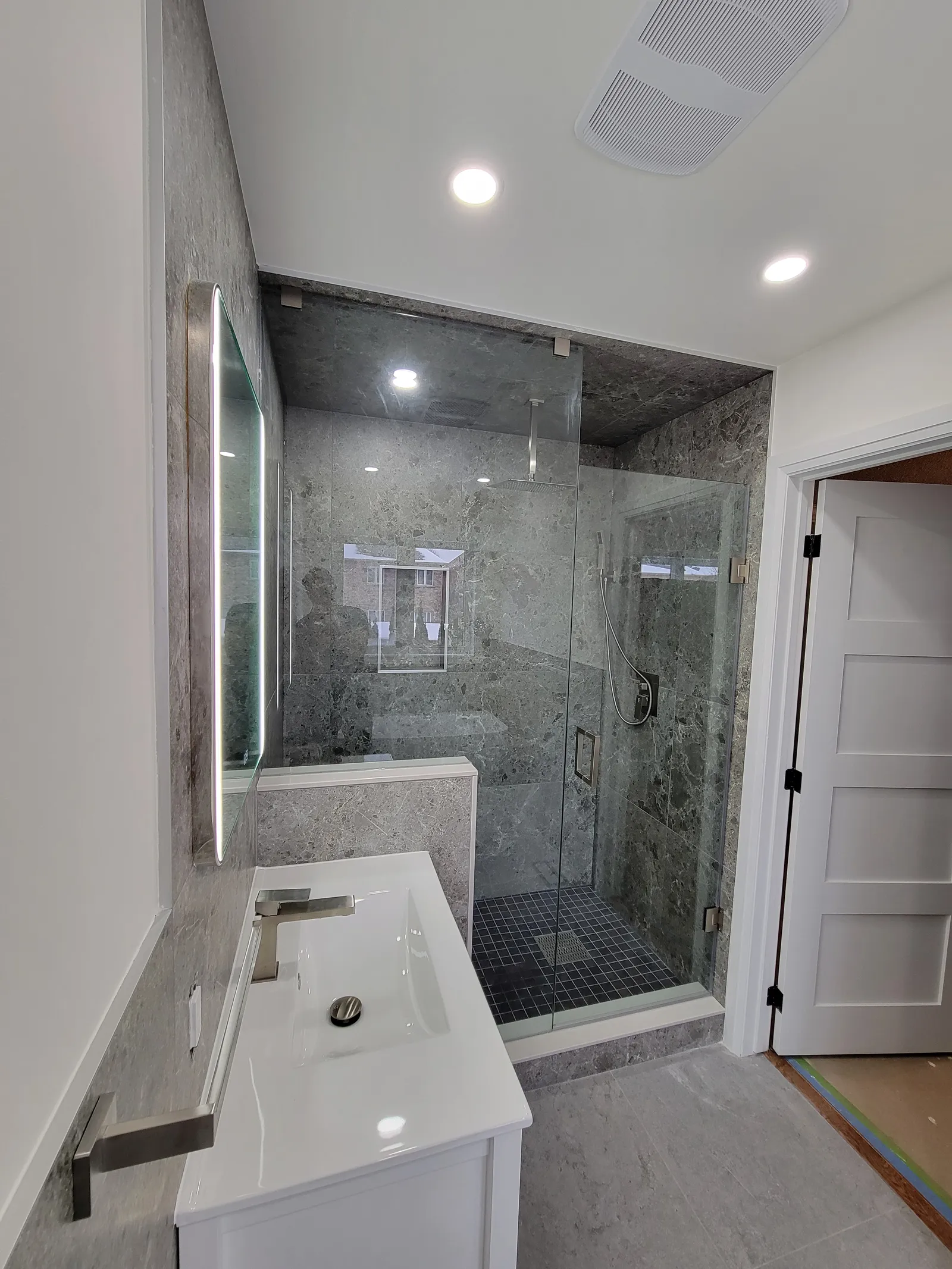
- Tub-to-walk-in-shower conversions with a tiled floor, curb and recessed niche.
- Kitchen backsplashes — usually the quickest, highest-impact tile job in the house.
- Entryway, laundry and powder room floors, where the original tile has cracked or the grout will no longer come clean.
- Tile repair and regrouting when only a section has failed and the rest is worth keeping.
What a tile renovation costs in Richmond Hill (2026)
Tile pricing depends far more on prep and layout than on the tile itself. Removing old tile, flattening a floor, waterproofing a shower and cutting around a busy layout all take more time than setting tile on a clean, flat wall. As a rough guide for labour and setting materials in Richmond Hill and the rest of York Region:
- Kitchen backsplash (25–40 sq ft): $900–$2,000 depending on tile size, pattern and the number of outlets and cuts.
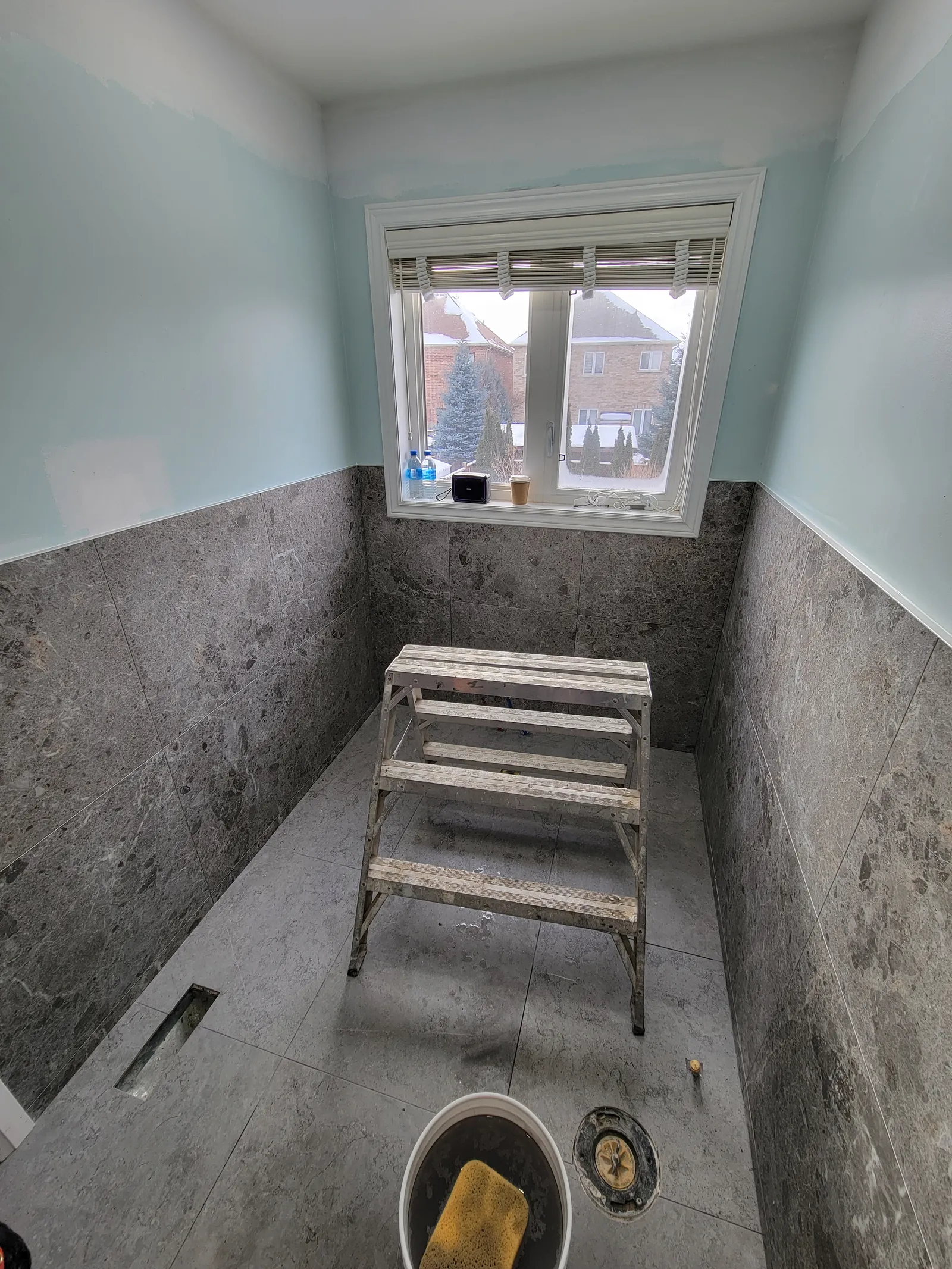
- Powder room or laundry floor: $1,200–$2,800, including removal of the old tile and floor levelling.
- Entryway or hallway floor: $12–$22 per sq ft installed, more for large-format tile or a herringbone pattern.
- Tub surround re-tile with new waterproofing: $3,500–$6,500.
- Walk-in shower (floor, walls, curb and niche): $7,000–$14,000 depending on size, drain type and glass.
- Tile repair and regrouting: often a few hundred dollars when the damage is caught early.
Every home is different, so we always quote after a free site visit. That visit is where we check what is under the existing tile, because the surprises live there, not in the showroom.
Choosing tile that suits a York Region home
Porcelain vs. ceramic
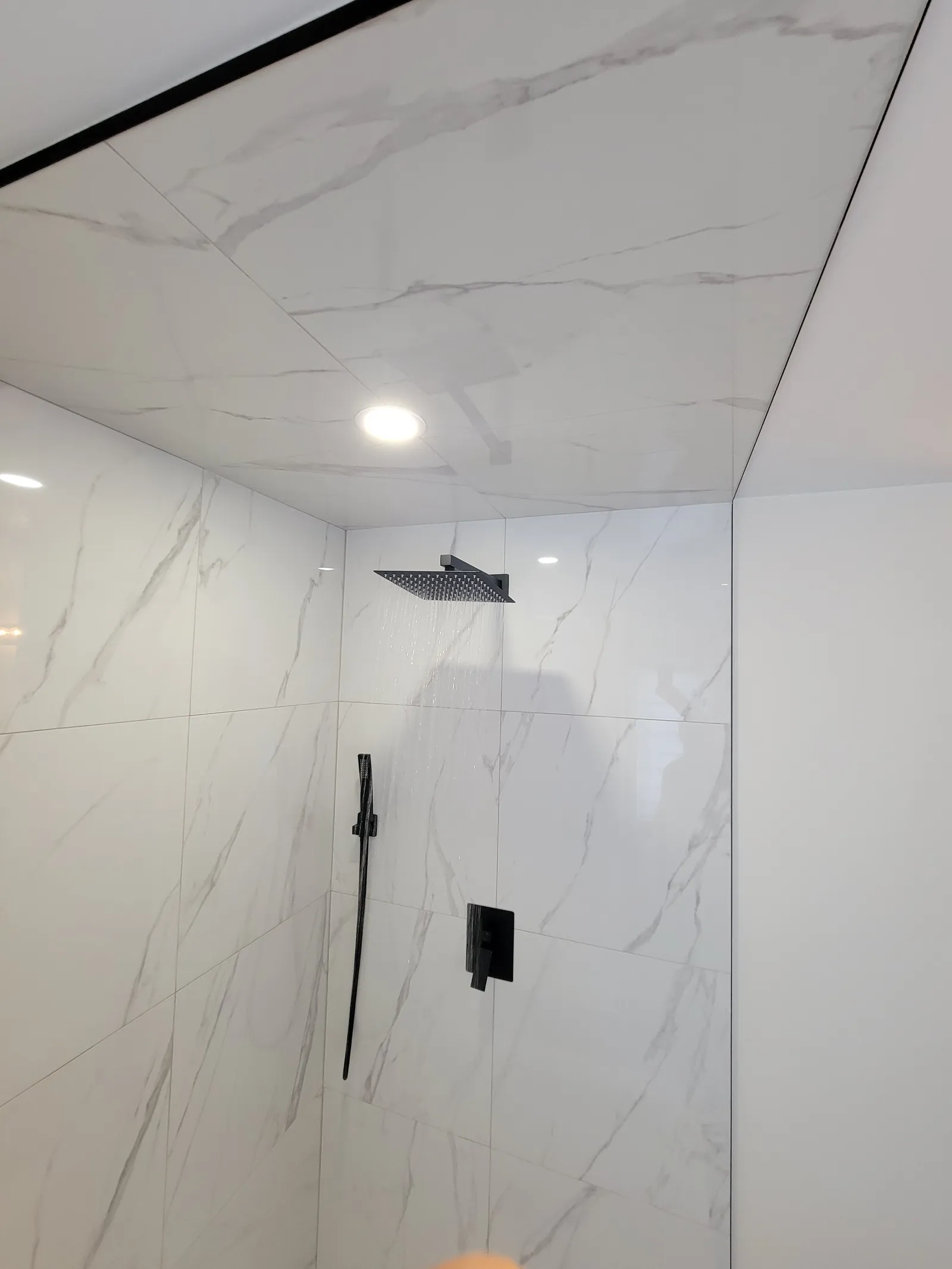
For floors, showers and entryways, we recommend porcelain almost every time. It is denser, absorbs very little water and stands up to the salt, slush and grit that get tracked in through a Richmond Hill winter. Ceramic is lighter and easier to cut, which makes it a good, budget-friendly choice for backsplashes and dry walls.
Large-format tile
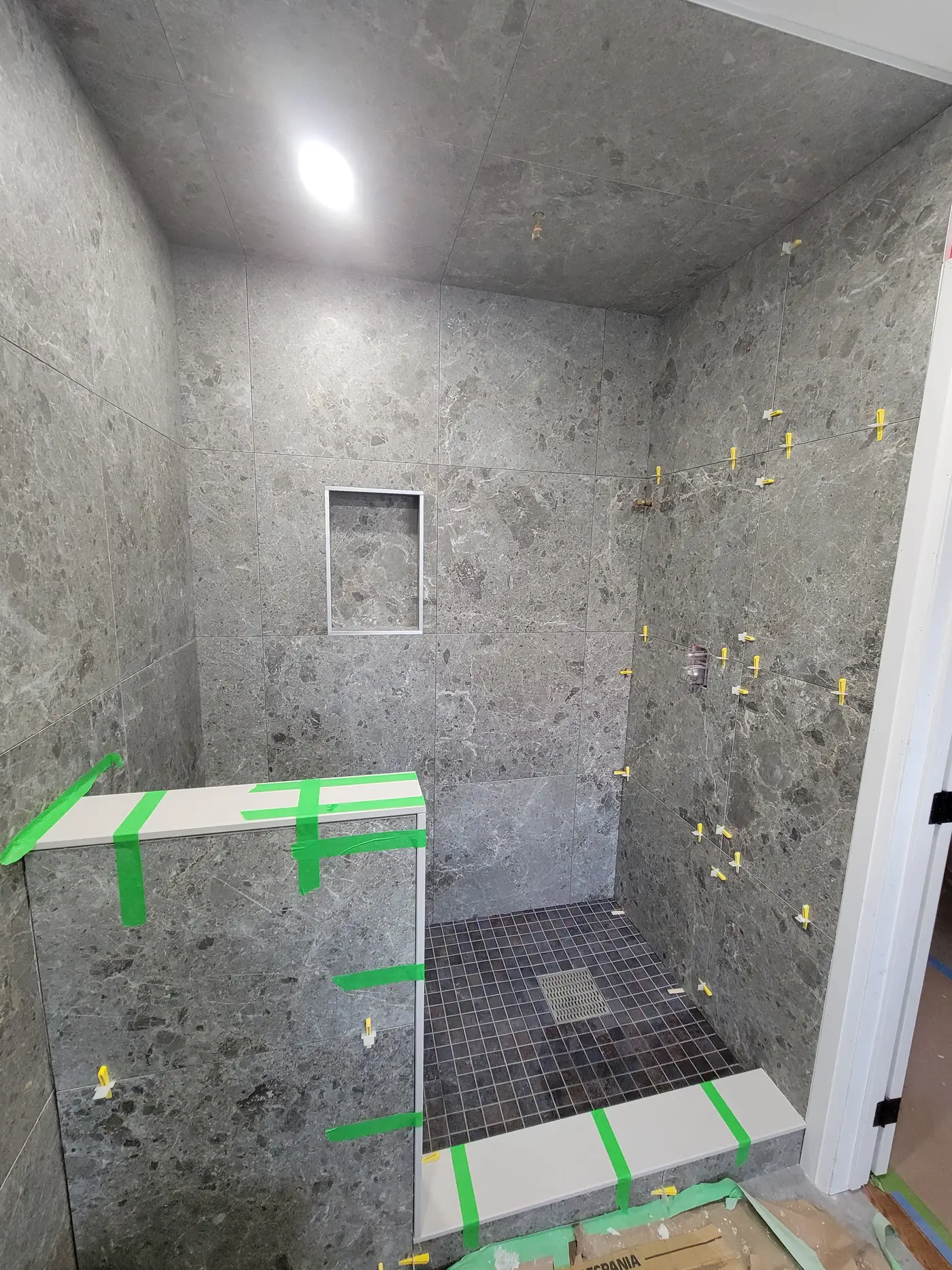
12x24 and 24x48 tiles mean fewer grout lines and a cleaner, more modern look. They also demand a very flat surface. Many older subfloors and walls are not flat enough as-is, so large-format tile usually adds levelling time to the job. That is worth knowing before you fall in love with a 48-inch slab-look tile.
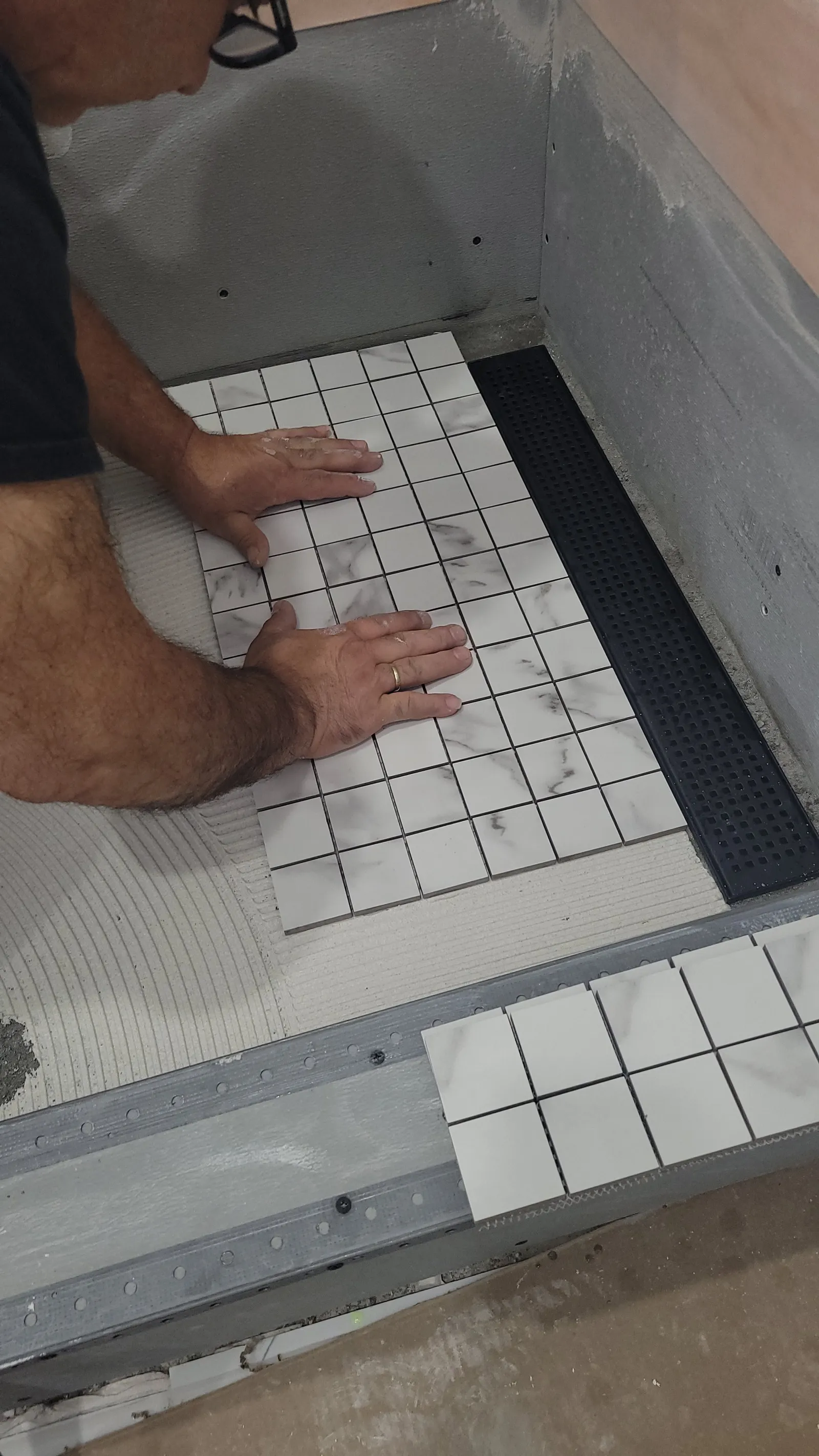
Mosaics for shower floors
A shower floor has to slope to the drain, and small tile follows that slope far better than a big one. Mosaics also put more grout lines underfoot, which gives you grip when the floor is wet. Pairing a mosaic floor with large-format walls is a classic combination for a reason.
Natural stone
Marble and travertine are beautiful but softer and more porous than porcelain, and they need sealing and more careful cleaning. If you want the look without the upkeep, today's marble-look porcelains are very convincing and far more forgiving in a busy family bathroom.
The prep work that decides whether tile lasts
Most failed tile we are called in to fix in Richmond Hill did not fail because of the tile. It failed because of what was underneath it. These are the steps we never skip:
- Waterproofing every wet surface. Shower walls, floors, curbs and niches get a waterproofing membrane before tile goes on. Grout is not waterproof, and a shower without a membrane behind it is a slow leak waiting to happen.
- A flat, solid substrate. Floors are checked for flex and flatness; walls are checked with a straightedge. Soft spots and humps get fixed first, or the tile will crack and lip.
- The right board. Cement board or a foam board system in wet areas, never ordinary drywall behind a shower.
- Proper thinset coverage. Back-buttering large tiles and using the right trowel so there are no hollow spots under the tile.
- Movement joints. Flexible caulk at inside corners and where tile meets the tub or another surface, instead of hard grout that will crack as the house moves through the seasons.
How long a tile renovation takes
- Backsplash: usually 1–2 days, including grout.
- Small floor (powder room, laundry, entry): 2–3 days with removal, levelling, setting and grouting.
- Tub surround re-tile: 3–5 days, allowing waterproofing to cure before tile.
- Walk-in shower: 1–2 weeks depending on plumbing changes and the glass lead time.
Cure times are not something to rush. Thinset, grout and waterproofing all need time before the room goes back into service, and a good installer will tell you exactly when you can walk on the floor or use the shower again.
Signs your existing tile needs attention
- Cracked or missing grout, especially in the shower or around the tub.
- Tiles that sound hollow when tapped or move under your foot.
- Mould that keeps coming back in the same joints no matter how often you clean.
- Cracks running across several tiles in a line, which usually points to a subfloor problem.
- Soft drywall, peeling paint or stains on the other side of a shower wall or on the ceiling below.
Caught early, many of these are a regrout or a partial repair. Left alone, a failing shower can mean replacing subfloor and framing as well, which is exactly what happened in this shower leak repair we rebuilt in Newmarket.
DIY or hire a professional?
A simple ceramic backsplash is a reasonable weekend project for a handy homeowner, and we wrote up a realistic backsplash timeline if you want to try it. Showers, floors with large-format tile and anything involving waterproofing are a different story. The mistakes are hidden under the finished surface and usually show up as a leak or a cracked tile a year or two later, when fixing them means tearing it all out again.
Tile renovation across Richmond Hill
VOL Handyman installs and repairs tile for homeowners across Richmond Hill, including Oak Ridges, Mill Pond, Jefferson, Bayview Hill, Westbrook and Richvale, as well as Vaughan, Markham, Aurora and Newmarket. Want to see the work? Take a look at our full bathroom renovation in Richmond Hill or our bathroom renovation service. For smaller jobs, our caulking service keeps existing tile sealed and healthy.
Thinking about new tile? Request a free estimate and we will come out, check what is under your existing tile, and give you a clear, fixed quote.
Anyone can make tile look good on day one. Good tile work is the kind that still looks the same ten years later.
Need a hand with a project?
Book the VOL Handyman team for the work in this article, or anything else around your home or business.